
For most of the last two decades, the default response to a broken appliance in an American household was simple: haul it out, buy a new one, move on. In 2026, that default is quietly changing. More homeowners are choosing to repair failing refrigerators, washing machines, dryers, and TVs instead of replacing them outright — and the reasons behind this shift say a lot about where prices, product design, and household budgets currently stand.
Why the Old “Just Replace It” Habit Is Fading
For years, replacing a broken appliance was often cheaper and easier than tracking down a repair technician. New appliance prices were relatively low, repair services could be hard to schedule, and many people simply assumed repair wasn’t worth the hassle. That calculation has shifted for several converging reasons.
1. New Appliance Prices Keep Climbing
The cost of buying new household appliances has been rising steadily, driven in part by tariffs on imported parts and components. For many households, spending several hundred dollars on a repair now looks far more reasonable next to a $1,000+ price tag for a new refrigerator or washing machine — especially when the existing unit is otherwise in good shape.
2. Appliances Aren’t Lasting as Long as They Used To
There’s a common perception that appliances built decades ago simply lasted longer, and modern manufacturing trends haven’t done much to change that impression. As newer appliances pack in more electronic components, sensors, and connected features, there are simply more parts that can fail — which means more opportunities for a targeted repair to extend the life of an otherwise functional machine, rather than replacing the whole unit over one broken part.
3. Growing Awareness of E-Waste
Sustainability is playing a bigger role in how people make replacement decisions. Throwing away a refrigerator or washing machine that could have been fixed with a single part contributes directly to electronic and appliance waste. This awareness has fed into what’s often called the “Right to Repair” movement — a push for laws requiring manufacturers to make parts and repair information more accessible, so consumers aren’t forced into replacement simply because a repair is hard to source.
4. Repair Services Have Become More Convenient
On-site, same-day repair has become far more common and accessible than it was even five years ago. Instead of waiting a week for an appointment or hauling a large appliance to a shop, many households can now book a technician who comes directly to their home, diagnoses the issue, and completes the repair in a single visit. That convenience has removed one of the biggest reasons people used to default to replacement.
5. The “50% Rule” Is Helping People Decide
A growing number of homeowners are using a simple guideline to make the repair-or-replace decision: if the repair cost is under roughly 50% of the price of a comparable new appliance, repairing is usually the better financial move. This straightforward framework has made the decision less overwhelming and has nudged more people toward repair by default rather than treating replacement as the automatic answer.
Which Appliances Are Being Repaired Most?
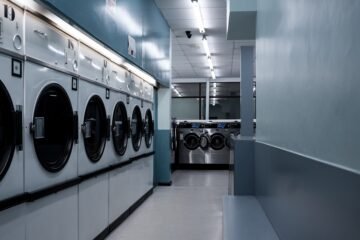
Refrigerators, washing machines, and dryers make up a large share of home appliance repairs, largely because they’re expensive to replace and often fail due to a single fixable component — a compressor, a belt, a heating element — rather than a complete breakdown of the entire unit. TVs follow a similar pattern: a cracked panel might mean replacement, but far more TV issues come down to a power supply, backlight, or connection problem that’s a quick, affordable fix.
What This Means If Your Appliance Just Broke
If something in your home has stopped working, it’s worth getting an actual diagnosis before assuming replacement is your only option. Many of the issues that seem catastrophic at first — a fridge that’s stopped cooling, a washer that won’t drain, a dryer that won’t heat — often come down to a single part that’s far cheaper to replace than the appliance itself. The data increasingly backs this up: more Americans are choosing to repair, and in most cases, it’s paying off.
Get an Accurate Repair Decision, Nationwide
Before you assume an appliance needs to be replaced, it’s worth getting a real diagnosis. Our technicians provide on-site repair service across the USA for refrigerators, washing machines and dryers, TVs, and CCTV systems — diagnosing the actual issue at your home and giving you a clear, upfront quote so you can make the repair-or-replace decision with real numbers instead of guesswork. See our guides on common refrigerator problems and common TV problems for more on specific issues.