
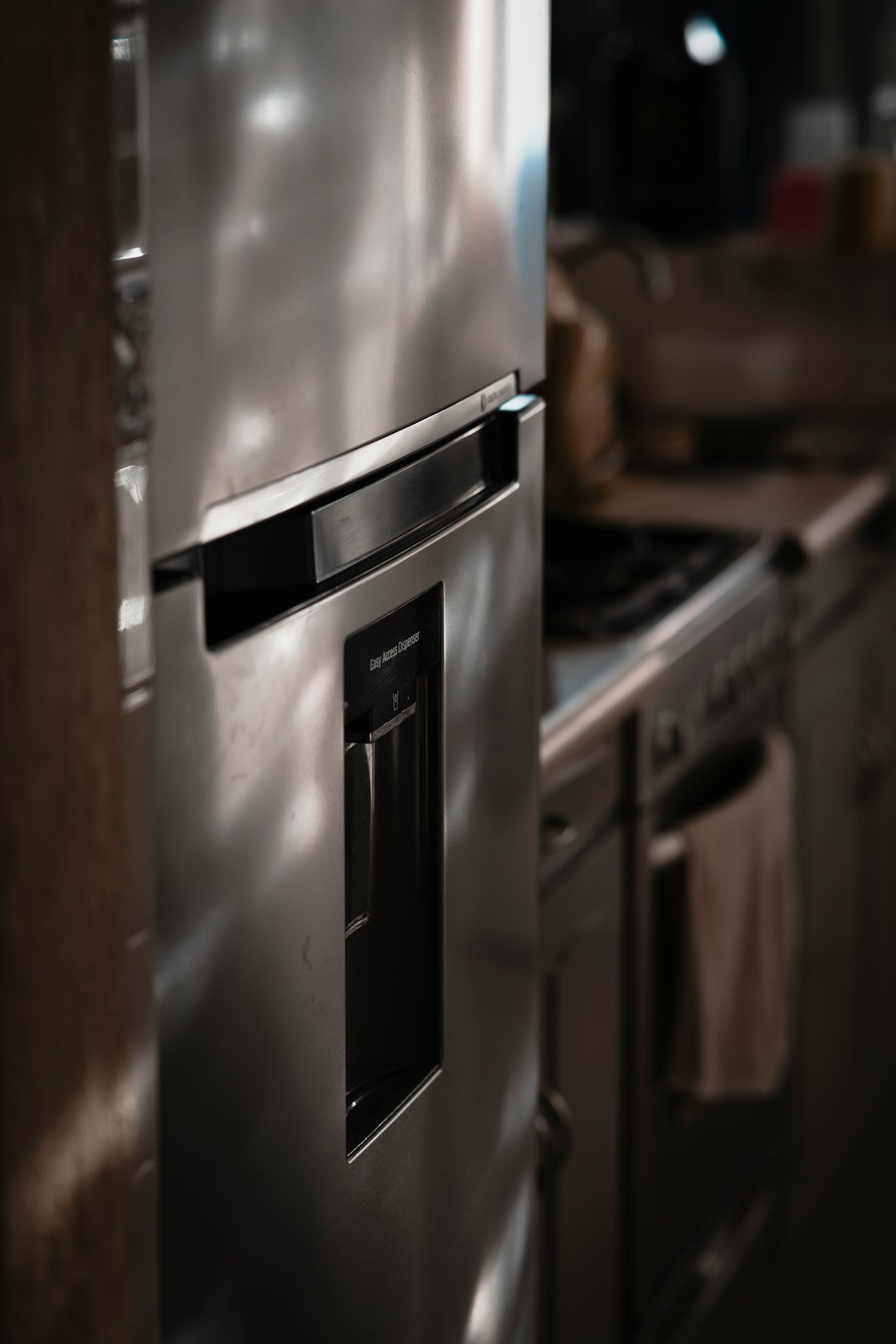
A refrigerator is one of the few appliances in your home that never gets a day off — it runs 24/7, every single day of the year. So when something goes wrong, it tends to escalate fast: spoiled groceries, water on the floor, or a freezer that suddenly stops freezing. The good news is that most refrigerator problems fall into a short list of common causes, and knowing what’s actually happening can save you time, money, and a lot of guesswork before a technician even shows up.
1. Refrigerator Not Cooling
This is, by far, the most common complaint homeowners search for. A refrigerator that isn’t cooling properly can stem from several different causes, and the right fix depends entirely on which one applies:
- Dirty condenser coils: Dust and pet hair build up on the coils at the back or bottom of the fridge over time, making it harder for the unit to release heat. This is often the cheapest and easiest fix — a simple cleaning can restore proper cooling.
- Failing compressor: The compressor is essentially the heart of your refrigerator. When it starts to fail, cooling becomes inconsistent or stops altogether. This is a more involved repair.
- Faulty thermostat: If the thermostat isn’t reading the internal temperature correctly, it won’t tell the compressor to kick in when needed.
- Low refrigerant: Less common, but a refrigerant leak will gradually reduce cooling performance over time.
2. Freezer Not Freezing (But Fridge Section Is Fine)
When the freezer isn’t holding temperature but the refrigerator compartment seems okay, the issue is usually airflow-related rather than a full compressor failure. A blocked vent between the freezer and fridge compartments, or a failing evaporator fan, are the most common culprits. This is typically a more affordable repair than people expect, since it usually doesn’t involve the compressor at all.
3. Water Leaking From the Refrigerator
Finding a puddle under or inside your fridge is alarming, but it’s rarely as serious as it looks. The most common causes include:
- A clogged defrost drain, which causes water to back up and drip out instead of draining properly
- A damaged or cracked water supply line, especially in refrigerators with built-in ice makers or water dispensers
- A worn door seal that lets humid air inside, which then condenses and drips down
Most leak-related repairs are quick fixes once a technician identifies the exact source.
4. Strange Noises Coming From the Refrigerator
Refrigerators naturally make some noise — a low hum is completely normal. But certain sounds are worth paying attention to:
- Loud buzzing or clicking: Often points to a compressor or start relay struggling to engage properly
- Rattling: Can be caused by loose components or something stuck near the condenser fan
- Clunking during defrost cycles: Usually related to ice buildup hitting the evaporator fan blades
If a noise is new or getting louder over time, it’s worth having it checked before it turns into a bigger repair.
5. Ice Maker Not Producing Ice (Or Producing Too Little)
Ice maker issues are among the easier refrigerator problems to diagnose. Common causes include a frozen or blocked water inlet line, a faulty inlet valve not allowing enough water through, or a jammed ice maker mechanism. These repairs are typically quick and affordable once properly diagnosed.
6. Refrigerator Running Constantly and Never Cycling Off
If your refrigerator seems to run non-stop without ever shutting off, it’s usually overworking itself to compensate for something. The most frequent reasons are a dirty condenser coil restricting airflow, a worn door seal letting cold air escape, or a thermostat misreading the internal temperature. Left unaddressed, this not only shortens the compressor’s lifespan but can also noticeably increase your energy bill.
7. Frost Buildup Inside the Freezer
A small amount of frost is normal, but heavy frost buildup usually signals a door seal that isn’t sealing properly, or a defrost system component (like the defrost heater or timer) that has failed. This is a common issue in older refrigerators and is generally straightforward to repair once identified.
DIY Checks Before Calling a Technician
Before assuming the worst, a few quick checks can save you a service call:
- Make sure the refrigerator is plugged in and the outlet is working (try another device in the same outlet)
- Check that the temperature settings haven’t been accidentally changed
- Inspect the door seal for visible gaps, cracks, or debris preventing a full seal
- Pull the fridge out (if possible) and check whether the condenser coils are visibly dusty
If none of these resolve the issue, it’s time for a proper diagnosis. For a full cost breakdown by problem type, take a look at our refrigerator repair guide for New York, which covers pricing for everything from thermostat swaps to compressor replacements.
When to Repair vs. When to Replace
Refrigerators typically last 10–15 years with reasonable care. As a general rule, if your unit is under 8 years old and the repair cost is reasonable compared to a new refrigerator, repairing is almost always the smarter financial choice. If it’s an older unit facing a major repair — like a compressor or sealed system failure — it’s worth comparing that cost to a new, more energy-efficient model.
Get an Accurate Diagnosis, Nationwide
Guessing at a refrigerator problem based on symptoms alone can lead to paying for the wrong fix — or missing a bigger issue underneath. We provide on-site refrigerator repair across the USA, with certified technicians who diagnose the actual cause at your home and give you a clear, upfront quote before any work begins. Whether it’s a cooling issue, a leak, or a noise that doesn’t sound right, you’ll know exactly what’s wrong and what it costs to fix it.