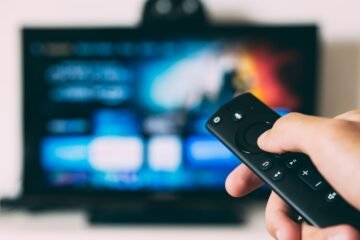
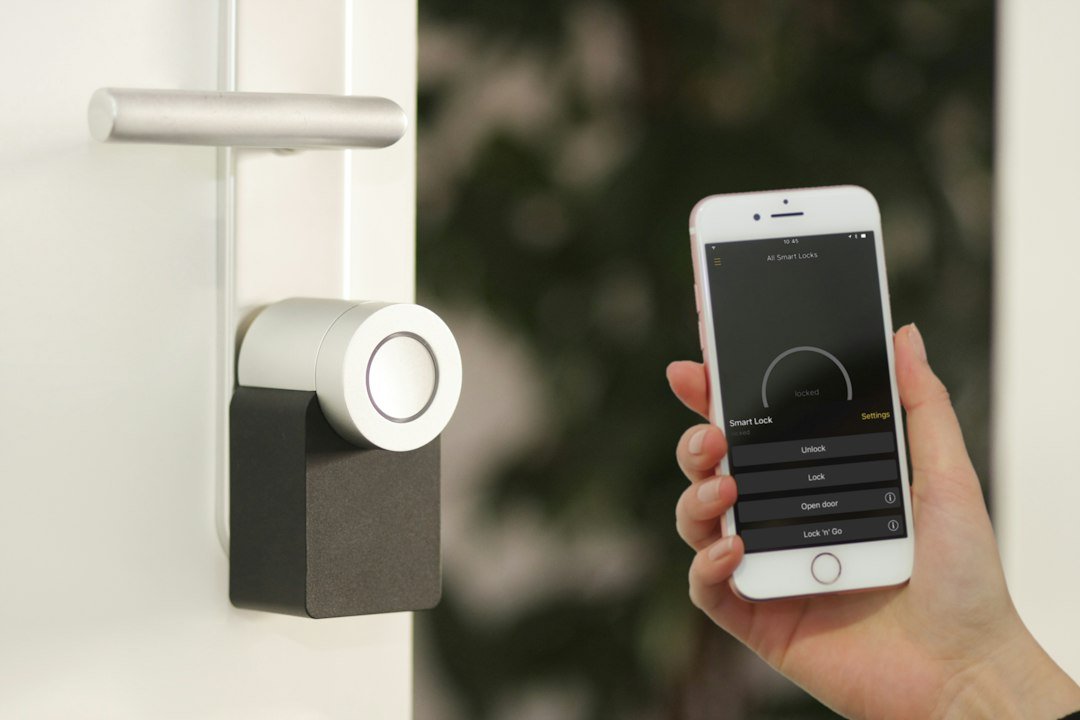
Smart refrigerators that tell you when you’re out of milk, washing machines you can start from your phone, TVs that stream directly from the internet — connected appliances have become the norm in American homes. But a growing body of data points to an uncomfortable trade-off: the more “smart” an appliance is, the more likely it is to break down.
What the Data Actually Shows
According to recent industry research, appliances with Wi-Fi and connectivity features fail at significantly higher rates than standard, non-connected models. Households that actively use the smart features on their appliances report nearly 50% more problems compared to those with basic, non-connected units. In other words, the more you rely on the “smart” side of a smart appliance, the more likely you are to run into an issue.
Why Smart Appliances Break Down More Often
1. More Components Mean More Points of Failure
A traditional appliance might have a motor, a few mechanical switches, and a basic control board. A smart version of the same appliance adds a Wi-Fi module, a touchscreen or app interface, additional sensors, and firmware that needs to stay updated. Every one of these additions is a new part that can malfunction — and unlike a simple mechanical switch, electronic components are often more sensitive to power fluctuations, moisture, and heat.
2. Software and Firmware Issues
Unlike older appliances that simply worked the same way for their entire lifespan, smart appliances rely on firmware that can become outdated, buggy, or incompatible after an update. A refrigerator’s touchscreen freezing, a washing machine’s app losing connection, or a smart dryer failing to sync a cycle are all software-related issues that simply didn’t exist in non-connected appliances.
3. Wi-Fi and Network Dependency
Many smart appliance features rely entirely on a stable home network connection. A change in router settings, a new Wi-Fi password, or a weak signal in the area where the appliance sits can cause smart features to stop working — even though the appliance itself is mechanically fine. This creates confusion for homeowners who assume the appliance itself is broken, when the actual issue is connectivity.
4. Increased Repair Complexity
When something does go wrong with a smart appliance, diagnosing it is often more involved than with a traditional model. A technician may need to determine whether the issue is mechanical, electrical, or software-based before even starting the physical repair — which can mean more diagnostic time and, in some cases, higher repair costs compared to a basic appliance with the same core function.
Does This Mean You Should Avoid Smart Appliances?
Not necessarily. Smart features offer real convenience — remote monitoring, energy usage tracking, and alerts when something needs attention. But it’s worth going in with realistic expectations: a connected appliance introduces more potential failure points than a basic model, and that’s simply the trade-off for the added functionality.
How to Reduce the Risk of Smart Appliance Problems
- Keep firmware updated — many smart appliance issues are resolved through manufacturer updates, so check for them periodically rather than ignoring update prompts
- Use a stable, dedicated Wi-Fi connection where possible, especially for appliances located far from your router
- Don’t ignore small glitches — a touchscreen that occasionally freezes or an app that disconnects intermittently can be early signs of a bigger issue forming
- Know the difference between a connectivity issue and a mechanical one — if the appliance still functions normally without the app or smart features, the core hardware is likely fine
When to Call a Technician
If your smart appliance is having persistent issues — whether it’s a connectivity problem, a malfunctioning touchscreen, or the appliance itself not performing its core function — it’s worth getting a proper diagnosis rather than guessing at the cause. Because smart appliances combine mechanical, electrical, and software systems, an accurate diagnosis often requires someone who can rule out each layer methodically.
Get an Accurate Diagnosis, Nationwide
Whether it’s a smart refrigerator that’s stopped connecting to its app, a washing machine with a glitchy touchscreen, or a connected TV acting up, our technicians provide on-site repair service across the USA for refrigerators, washing machines and dryers, TVs, and CCTV systems. We diagnose the actual cause of the problem — mechanical or connectivity-related — and give you a clear, upfront quote before any work begins. You can also read more about why more Americans are choosing repair over replacement in 2026.